
Last updated October 15, 2026
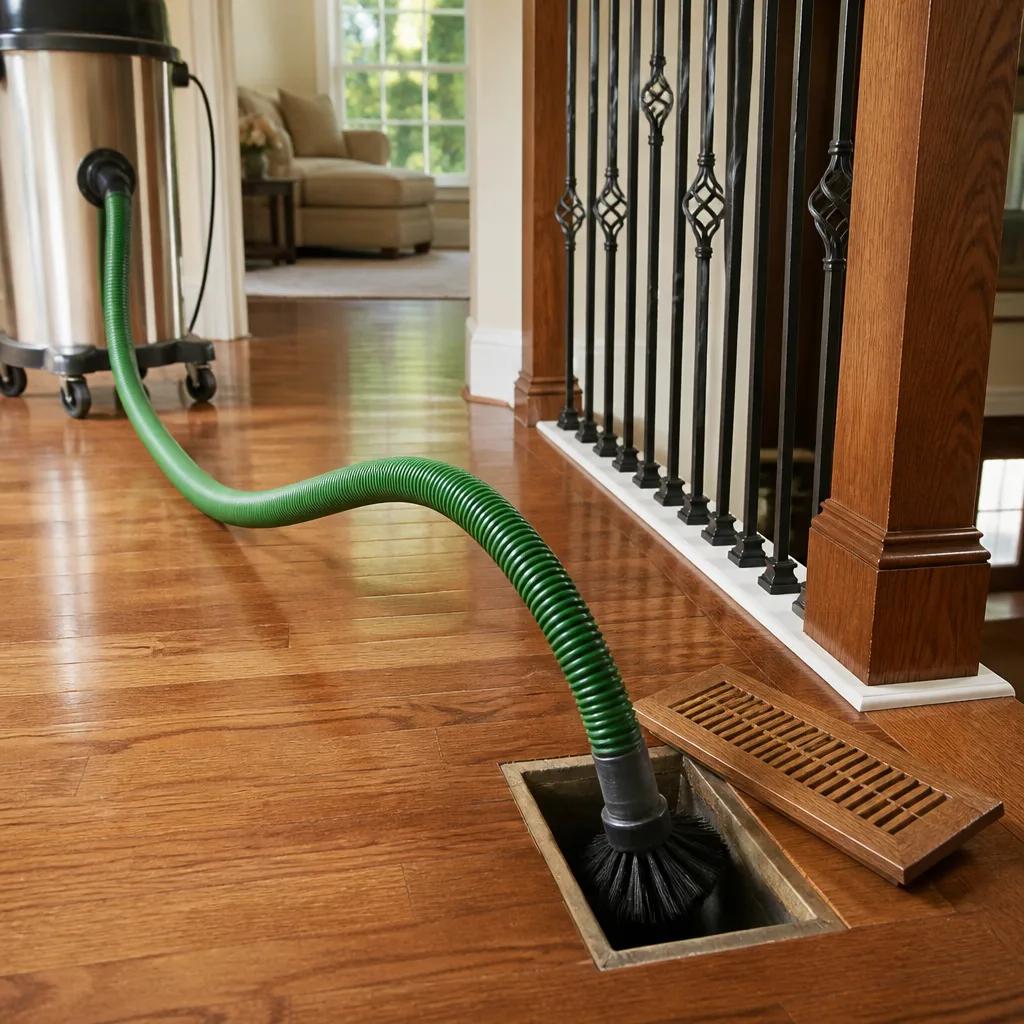 Whole-home duct cleaning
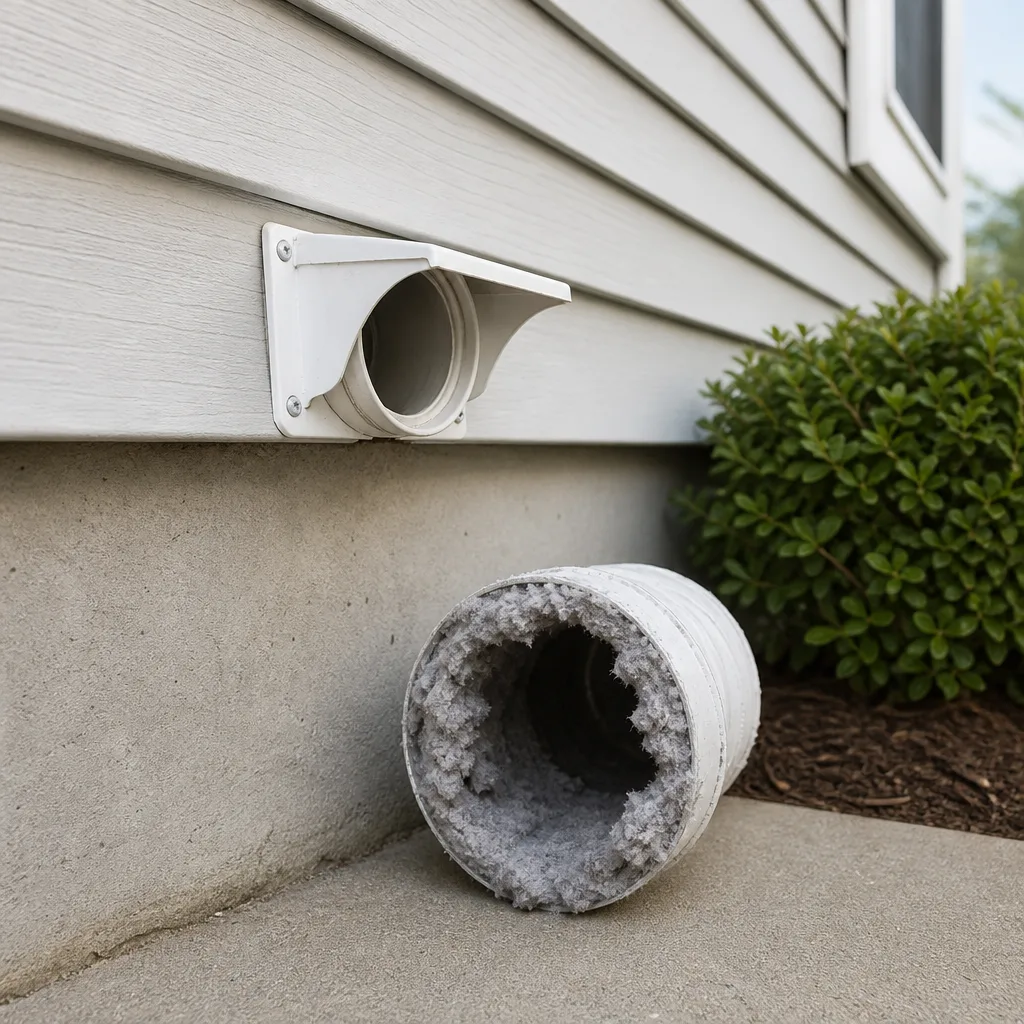 Dryer vent cleaning
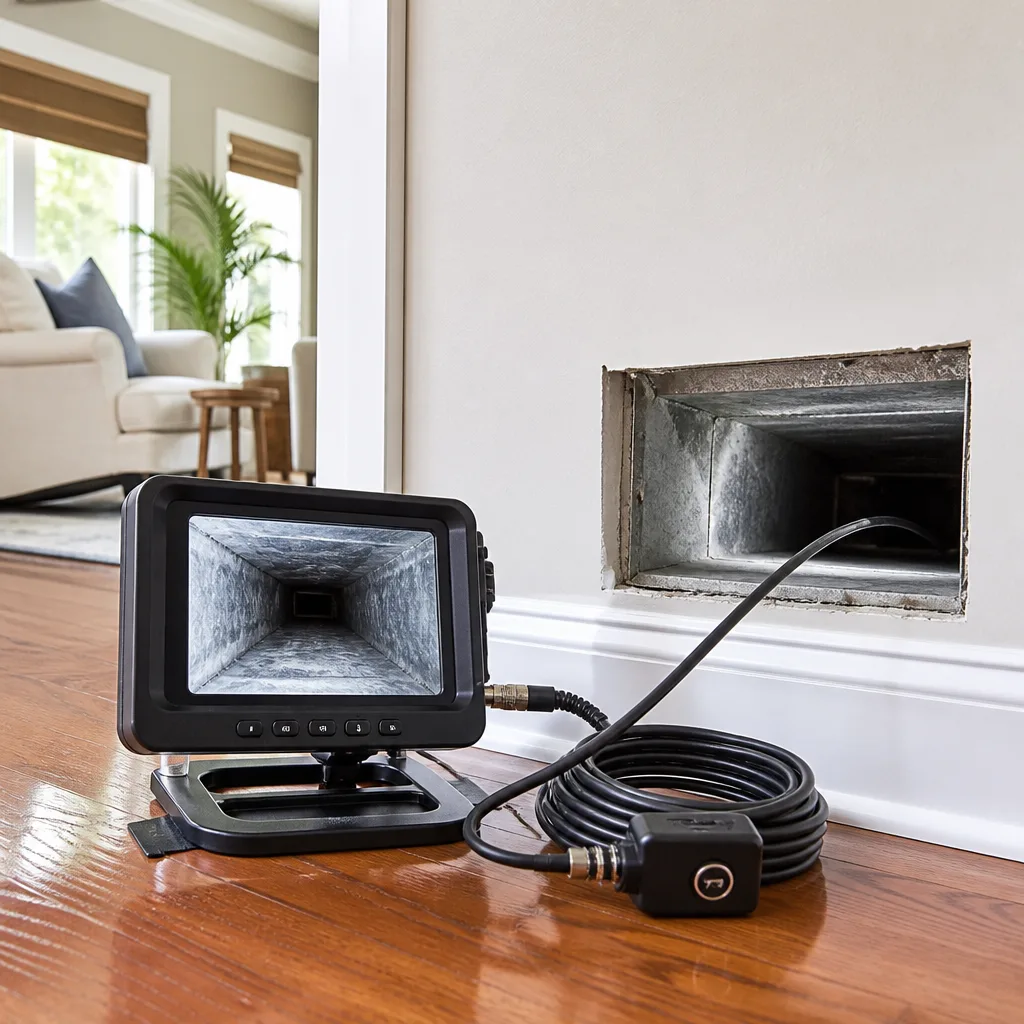 Camera inspection
 Sanitizing & deodorizing
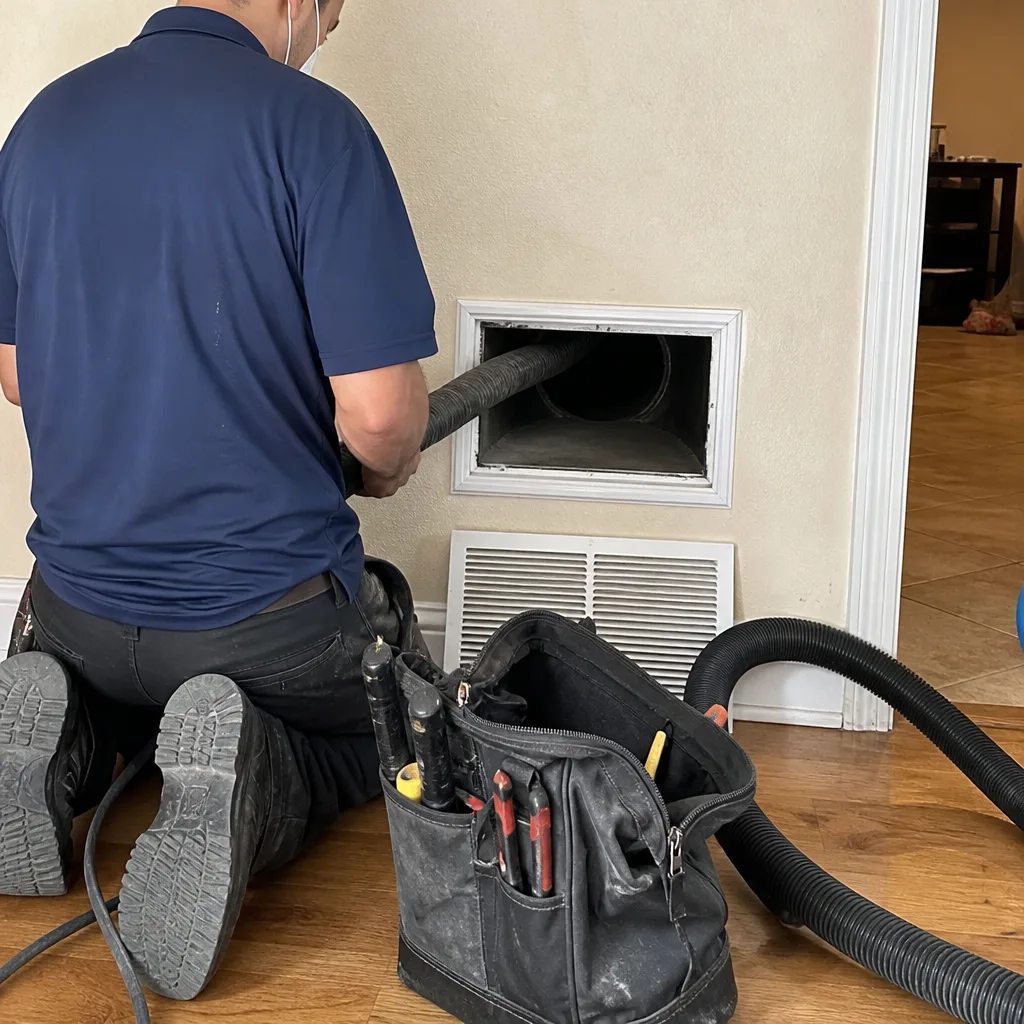
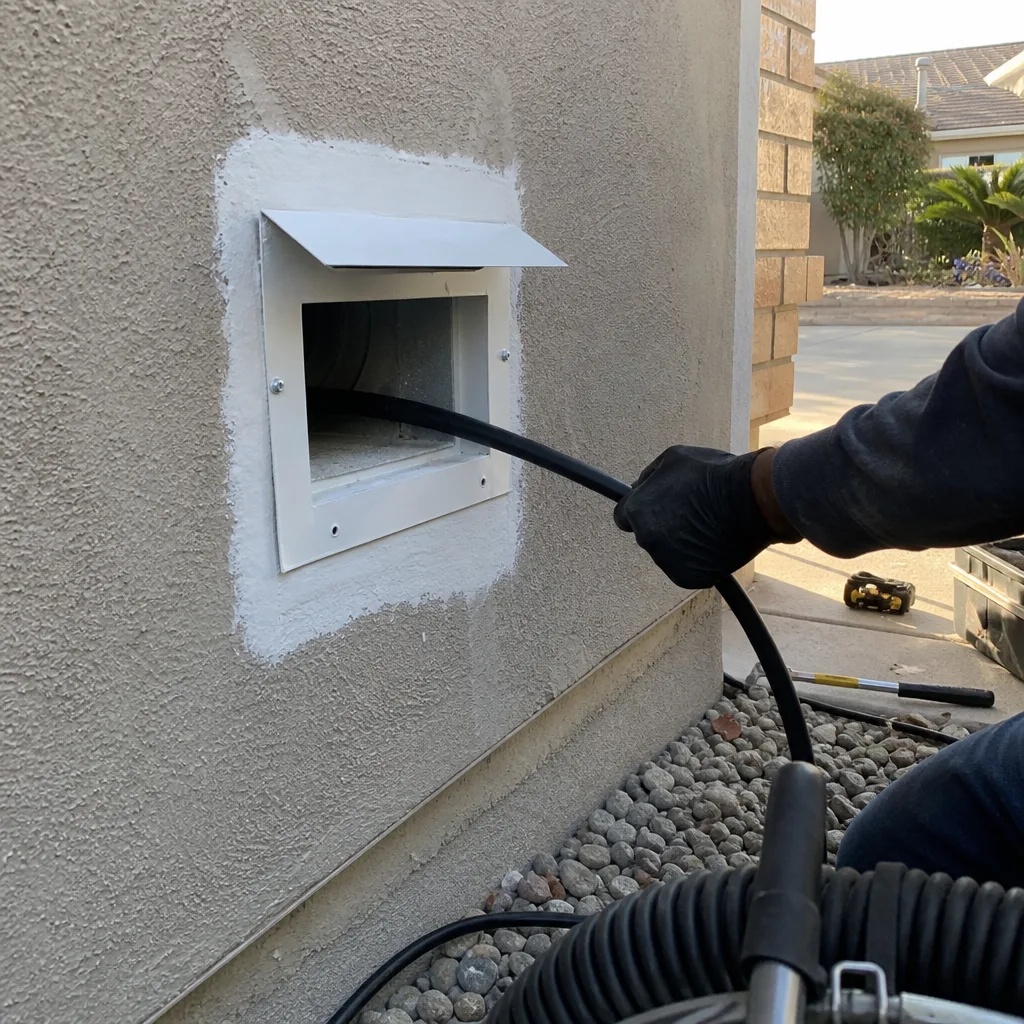
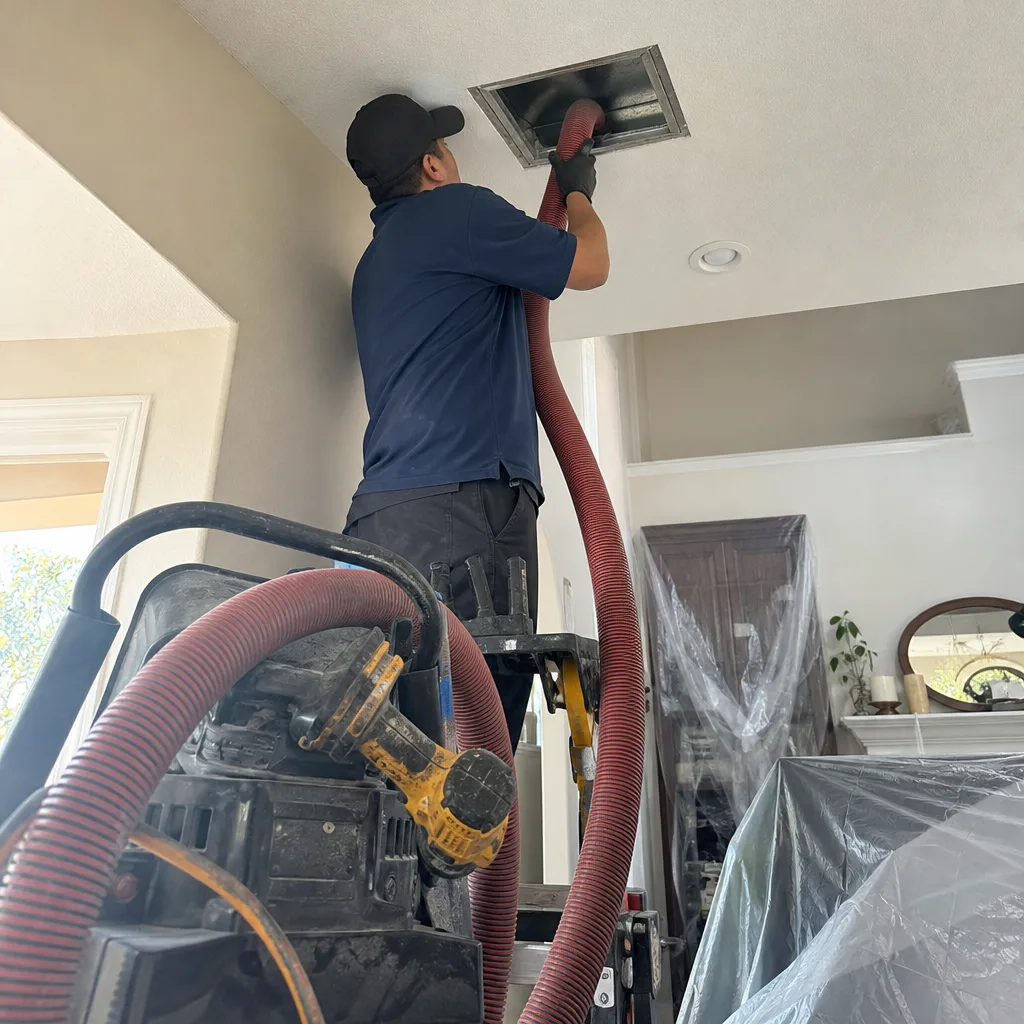
Whole-system duct and dryer vent check with before-and-after photos - you see exactly what came out of your vents
That "$99 whole-house special" is a bait ad - the real number appears once they are in your hallway, or the "clean" is a shop-vac at the register. We photograph the inside of your ducts before and after instead.
Air Duct Cleaning Maintenance Checklist for Fresno Homeowners
A standard 1-inch MERV-8 filter in Fresno during almond harvest season can hit end-of-life in three weeks, not three months. That single fact makes most generic maintenance schedules actively misleading for Valley homeowners. Your ducts are the lungs of your house, and in Fresno they’re breathing some of the dustiest air in California. This guide gives you a Fresno-calibrated inspection routine tied to the real conditions outside your windows: ag dust, Tule fog, triple-digit summers, and the schedules those conditions demand. By the time you finish reading, you’ll know exactly what to check, when to check it, and what findings actually justify picking up the phone.
Styles & brands we work with
Quick Answer
A realistic Fresno air duct maintenance checklist means checking filters monthly during harvest and high-AQI months, inspecting visible registers every 60 days for dust buildup and moisture staining, and scheduling a professional inspection every 2 to 3 years, or sooner if you notice uneven airflow, musty odors, or visible dust on vents. Most Fresno homes should budget for professional Air Duct Cleaning every 3 to 5 years, with dryer vent cleaning annually regardless of duct condition.
Table of Contents
- Why Fresno Needs a Different Maintenance Schedule
- The Month-by-Month Fresno Maintenance Calendar
- Visual and Smell Checks You Can Do at Every Register
- Filter Selection for Fresno’s Air Quality Patterns
- Three Maintenance Tasks That Prevent Most Costly Repairs
- How to Log Duct Condition Over Time
- Common Mistakes to Avoid
- When to Call a Professional
- Frequently Asked Questions
- The Bottom Line
Why Fresno Needs a Different Maintenance Schedule
Fresno sits at the bottom of the San Joaquin Valley, which means air doesn’t move out of the basin quickly. Particulates settle here. Between agricultural activity in surrounding farmland, vehicle traffic on Highway 99 and 41, and seasonal wind patterns that kick up dust from open fields, the air quality index in Fresno regularly exceeds what national maintenance guides assume. The EPA’s AirNow data consistently ranks Fresno among the top California cities for elevated PM2.5 and PM10 levels, especially during summer and fall.
That particulate load doesn’t stay outside. Every time your HVAC system runs, it pulls outdoor air through return registers and pushes it through your ductwork. What doesn’t get trapped by the filter ends up coating the interior surfaces of your ducts. Over time, that coating builds into a fine layer of dust that restricts airflow, forces your blower motor to work harder, and shortens the life of your equipment.
Add Tule fog to the equation. Winter humidity in Fresno can push indoor relative humidity above 60 percent for weeks. That moisture combines with accumulated dust in ducts to create conditions where microbial growth can occur. Homeowners in neighborhoods like Fig Garden, Woodward Park, and Tower District all deal with the same Valley air, but older homes with original ductwork from the 1970s and 1980s face higher risk because insulation and sealing have degraded.
Generic maintenance guides written for national audiences assume two seasons and average air quality. Fresno has four distinct air-quality seasons: bloom dust in spring, smoke and ozone in summer, harvest dust in fall, and fog humidity in winter. Your maintenance calendar should track those.
The Month-by-Month Fresno Maintenance Calendar
This calendar isn’t aspirational. It’s built around what actually happens in Fresno’s air column each month. Use it as your baseline, then adjust based on what you observe at your registers.
January – February: Tule Fog Humidity Check
- Inspect supply registers in bathrooms and kitchens for condensation rings or water stains.
- Check closet and hallway registers where airflow is lowest; stagnant humid air collects there first.
- Run your HVAC fan for 15 minutes with the heat off to circulate air through all ducts and dry out residual moisture.
- If you see rust-colored staining around any register, mark it in your log and monitor it weekly.
March – April: Spring Bloom Dust
- Replace your air filter, even if the calendar says it’s not due. Almond bloom dust and valley grass pollen clog filters quickly.
- Vacuum return grilles with a brush attachment. Return grilles in Fresno homes collect visible dust within weeks during bloom season.
- Walk your home and hold a white paper towel at each supply register while the system runs. Visible dust accumulation on the towel within one minute means the filter isn’t catching everything it should.
May – June: Pre-Summer AC Prep
- Schedule any duct inspection or cleaning before the summer rush. HVAC and duct companies in Fresno book heavily once temperatures hit triple digits.
- Check all supply vents are fully open and unblocked by furniture or rugs. Restricted airflow forces your system to pull harder and draws more unfiltered air through small gaps in duct seams.
- Listen for whistling or rattling sounds when the AC kicks on. These often indicate loose duct connections that should be addressed before cooling demand peaks.
July – August: Peak Load Monitoring
- Check filters every three weeks. High AC runtime means more air passes through the filter, and more particulates get trapped. A filter that looks dark gray or brown in three weeks is doing its job and needs replacement.
- Monitor for temperature differences between rooms. If one bedroom in northeast Fresno or Clovis stays 5 degrees warmer than the rest of the house, you may have a duct leak or imbalance.
- Check outdoor condenser unit for dust buildup. Fresno summer dust coats condenser fins and reduces cooling efficiency, forcing the system to work harder, which pulls more air through potentially leaky ducts.
September – October: Harvest Dust Season
- This is the heaviest dust period in Fresno. Agricultural harvesting, especially grape and almond operations in surrounding counties, generates massive particulate loads.
- Check your filter every two to three weeks. Expect to replace monthly during heavy harvest dust.
- Wipe down supply register faces weekly. If registers show visible dust within days of cleaning, your ducts are likely carrying a substantial internal dust load and may need professional attention.
- If you or family members notice increased allergy symptoms, coughing, or sneezing indoors, that’s a signal your duct system may be recirculating harvest dust.
November – December: System Rest and Inspection Window
- With moderate temperatures and lower AC demand, this is the easiest time to schedule professional duct inspection or cleaning in Fresno. You’ll have more scheduling flexibility and lower wait times than spring or summer.
- Remove and wash register covers with warm soapy water. While covers are off, use a flashlight to visually inspect as far into the duct opening as you can see.
- Schedule an annual dryer vent cleaning if you haven’t already. Lint accumulation is a fire risk and Fresno’s dry climate contributes to faster drying of trapped lint, making it more flammable. Our dryer vent cleaning service in Fresno handles this efficiently every time.
Visual and Smell Checks You Can Do at Every Register
You don’t need tools or technical training to spot Air Duct Cleaning Warning Signs: A Fresno Homeowner’s Reference Guide. You need a flashlight, a paper towel, and five minutes. Here’s what to look for at each register in your Fresno home, and what each finding actually means.
Step 1: Remove the register cover
- Most register covers in Fresno homes are held by two screws or simply press-fit into the opening.
- Remove one supply register in a central hallway first. This is usually the highest-airflow register in the house and gives the most representative view of overall duct condition.
- Use your phone’s flashlight to look down the duct opening. You’re looking for dust buildup, debris, staining, or moisture.
Step 2: Interpret what you see
- Light gray dust film on the duct wall: Normal accumulation for Fresno. This is what routine cleaning addresses. Not urgent, but worth tracking.
- Dark gray or black particulate: Could be soot from candles, cooking, or a past fireplace issue, or it could indicate mold testing is warranted. In humid months, especially near bathroom ducts, black particulate deserves a professional look.
- Visible debris like drywall chunks or insulation fragments: Indicates construction debris or deteriorating duct lining. These particles can be blown into living spaces. Worth investigating.
- Rust-colored staining: Moisture has been present. In Fresno, this is most common in ducts near bathrooms, kitchens, or swamp coolers that have been run without adequate ventilation. Repeated moisture events can lead to microbial growth.
- Condensation beads on the inside of the duct during summer: Supply ducts in unconditioned attics (common in Fresno homes built before 1990) can sweat when cool air moves through hot attic air. Persistent condensation requires insulation assessment.
Step 3: Smell test
- With the system fan running (heat or cool), stand at each supply register and breathe normally for a few seconds.
- Musty, earthy, or “dirty sock” smells suggest microbial growth or accumulated organic matter in ducts. These smells don’t improve on their own.
- A burning or electrical smell is always urgent. Turn off the system and call an HVAC professional immediately.
- A faint dusty smell when the system first kicks on after weeks of disuse is normal in Fresno, but it should fade within minutes. If it persists, you have significant internal dust accumulation.
Filter Selection for Fresno’s Air Quality Patterns
Fresno’s air quality index isn’t a static number. It swings from moderate on cool, breezy days to hazardous during wildfire smoke events and heavy agricultural burning periods. Your filter choice should follow those swings, not a one-size-fits-all national recommendation.
For most Fresno homes, we recommend a MERV-8 filter as the baseline, upgraded to MERV-11 or MERV-13 during wildfire season and the worst of harvest dust. Here’s why that matters.
MERV ratings explained in plain terms
- MERV-4 to MERV-7: Catches large dust and fibers. Too porous for Fresno conditions. Fine Valley dust passes through.
- MERV-8: Catches particles down to about 3 microns. This is a reasonable everyday filter for a Fresno home when outdoor air quality is moderate. It balances airflow with filtration.
- MERV-11 to MERV-13: Catches fine particulate down to about 1 micron, including smoke, smog, and much of what blows off agricultural fields. Use during wildfire smoke events, harvest season, and inversion-layer days when the Valley air sits stagnant.
The airflow tradeoff
Higher MERV ratings mean denser filter media. Denser media restricts airflow. Your HVAC system was designed for a specific static pressure range, and putting a MERV-13 filter in a system with old ductwork can reduce airflow by 10 to 15 percent. That forces your blower motor to work harder, which can shorten its service life. If you’re upgrading filter efficiency during a smoke event, Mark the date you installed it and switch back to MERV-8 when outdoor air quality normalizes.
Check your filter monthly regardless of the advertised lifespan. In our experience across Fresno homes in neighborhoods like Sunnyside, Hoover, and north Fresno, a 90-day filter is generally done by day 45 in spring and fall. The printed lifespan on the package assumes national average air quality, which Fresno reliably exceeds.
Three Maintenance Tasks That Prevent Most Costly Repairs
After two decades of air duct cleaning in Fresno, we can tell you that most expensive duct repairs trace back to three preventable causes. These three tasks take under 30 minutes combined and directly prevent the failures we see most often.
Task 1: Keep return vents clear and clean (10 minutes)
Your system can only filter what passes through the return. When return grilles are blocked by furniture, curtains, or accumulated dust, the system faces restricted suction. This causes the blower to pull harder, which creates negative pressure inside the ductwork. Over time, that negative pressure can pull duct joints apart, especially in older Fresno homes where duct tape (yes, actual duct tape) was used to seal connections. Once joints separate, unfiltered attic air gets pulled into your ducts, depositing insulation fibers and dust directly into your living air.
- Locate every return grille in your home. Most Fresno homes have one large central return, plus additional returns in larger homes built after 2000.
- Remove the grille and vacuum the visible duct opening with a brush attachment.
- Ensure no furniture, rugs, or drapes block the grille. Leave at least 6 inches of clearance.
Task 2: Inspect and clean the condensate drain line (10 minutes)
Your AC removes moisture from indoor air. That moisture drains through a PVC line, usually to the outside of your house near the condenser unit. In Fresno’s hot summers, this line runs constantly. Dust from the air mixes with condensate and creates sludge that can clog the line. A clogged condensate line backs water up into the air handler, potentially damaging the blower motor, control board, and duct connections. This is one of the most expensive avoidable repairs we see.
- Find the condensate drain line exit outside your home. It’s usually a small PVC pipe sticking out near the condenser unit.
- Check for visible water dripping when the AC runs. No water means potential clog.
- Pour one cup of white vinegar down the line from the air handler access point. This breaks down sludge without damaging the PVC. Do this every 60 days during cooling season.
Task 3: Verify register airflow balance (10 minutes)
Uneven airflow is the earliest reliable sign of duct problems. When one room stays hot in summer or cold in winter, most people assume it’s an HVAC sizing issue. Often it’s a duct leak, a disconnected joint, or a crushed flex duct run in the attic. Catching these early prevents the larger repair that comes when a small leak becomes a full separation.
- On a day when your AC is running, walk through the home and hold a tissue at each supply register.
- Compare how much the tissue flutters at each register. Note rooms with noticeably weak airflow.
- Check the room’s return path. If the door stays closed, air can’t flow back to the return, and the room will never cool properly. Undercutting doors or adding a transfer grille fixes this without duct work.
- If a room has weak airflow with the door open, you likely have a duct issue worth professional diagnosis.
We use professional-grade equipment from Rotobrush and work with air-quality products from Aprilaire and Abatement Technologies when we inspect and clean Fresno duct systems. That equipment matters because it allows us to measure airflow at each register, not just visually inspect. The data tells us whether a duct is slightly underperforming or has completely separated, and that distinction changes the repair approach entirely.
How to Log Duct Condition Over Time
Documentation is your leverage. If you call a contractor about a duct problem and they tell you the system is in worse shape than you thought, you should have your own records to verify that claim. A simple duct maintenance log takes five minutes per inspection and gives you objective evidence of what your system looked like and how it changed.
Step 1: Create a simple duct log
Use a spreadsheet, a note on your phone, or a paper checklist. Record these fields each time you inspect:
- Date of inspection
- Filter MERV rating and installation date
- Filter condition (clean, light gray, dark gray, clogged)
- Visual condition of each supply register (clean, light dust, heavy dust, staining, debris)
- Airflow comparison between rooms (normal, slightly weak, very weak)
- Any odors noted and at which register
- Outdoor air quality context (AQI reading if known, fog, smoke, harvest season)
Step 2: Take photos
Photos are the most valuable log entry. Every time you remove a register cover, take a photo looking down the duct opening with your phone’s flash. Save it to a dedicated album. After two or three inspections, you’ll have a baseline. Any contractor who tells you the ducts are suddenly in terrible shape has to reconcile that claim with your dated photos showing gradual accumulation over time. This single habit has saved Fresno homeowners from unnecessary upsells more times than we can count.
Step 3: Track filter replacement dates
Write the date directly on the filter frame with a permanent marker before installing it. When you replace it, the old filter shows you exactly how long it lasted. This tells you how your home’s filter demand shifts with seasons. Homes in west Fresno near open agricultural land typically go through filters faster than homes near downtown, and your log will show that pattern within a year.
Common Mistakes to Avoid
- Following national filter replacement schedules. A “90-day” filter in Fresno during almond harvest or grape harvest season is often done by day 30. Check monthly and let the filter’s actual condition, not the package label, decide replacement timing.
- Ignoring weak airflow in one room. Temperature imbalance is usually a duct problem, not a thermostat problem. The longer a duct leak goes unaddressed, the more unfiltered attic air gets pulled into your living space, and the more damage occurs at the separation point.
- Closing vents to save money. Closing supply registers raises static pressure in the duct system, which can force a weak joint apart or worsen an existing leak. Your system was sized for all vents open, and closing them doesn’t reduce energy consumption meaningfully in most Fresno homes.
- Using the cheapest fiberglass filter available. Those dollar-store filters catch almost nothing. In Fresno air, a MERV-8 is the minimum realistic floor, and you’ll see the difference in how quickly cheap filters clog versus how consistently a MERV-8 performs.
- Delaying dryer vent cleaning because “it’s just lint.” Lint is one of the most flammable household materials. In Fresno’s dry climate, trapped lint dries quickly and becomes highly combustible. Annual cleaning is the standard for a reason. Our dryer vent cleaning in Fresno is a straightforward job we do year-round.
- Trusting a visual inspection from a technician you’ve never met. Anyone can tell you your ducts “look dirty” without proof. A legitimate inspection shows you photos or video of your actual ducts. If the company won’t show you what they’re seeing, get a second opinion.
- Skipping professional inspection because the house is new. New construction in Fresno often leaves drywall dust, sawdust, and debris inside duct systems because HVAC contractors run the system during construction before final cleanup. A professional inspection and cleaning within the first two years of a new build addresses this before the debris causes mechanical wear.
When to Call a Professional
Some duct issues are visible enough to identify but too complex to fix without professional equipment and access. Call a professional if you notice persistent musty odors that don’t clear after filter replacement, visible mold-like growth inside duct openings, significant dust accumulation on registers within days of cleaning, rooms that remain consistently uncomfortable despite balanced register settings, or any signs of water in or around the duct system. These conditions usually indicate problems deeper in the duct network that household inspection can’t reach.
If you’re unsure whether what you’re seeing is normal Fresno dust accumulation or something worth addressing, Linden Air Duct Fresno offers free estimates in Fresno – call (559) 272-4989 and one of our team will walk you through what you’re seeing, no pressure and no obligation.
Frequently Asked Questions
For most Fresno homes, professional air duct cleaning every 3 to 5 years is the right interval, adjusted for your specific conditions. Homes near active agricultural land, homes with pets, and homes where occupants have allergies or respiratory conditions should lean toward the 3-year mark. If you’ve never had your ducts cleaned and your home is over 10 years old, start with an inspection to establish baseline condition before committing to a cleaning schedule. Call (559) 272-4989 and we can assess your system’s needs based on what the inspection shows.
Air duct cleaning in Fresno typically ranges from $400 to $800 for a whole-home system, depending on home size, number of systems, and the level of contamination present. The lower end covers smaller single-system homes with normal dust accumulation. The upper end covers larger homes in areas like Woodward Park or Clovis with multiple HVAC systems or homes that haven’t been cleaned in many years. Be wary of quotes substantially below this range; they often apply to a “starter” clean that leaves most of the system untouched. We provide a written price before any work begins, so you know the exact cost before we start.
Low-price duct cleaning offers typically cover only a partial cleaning of the main trunk line and visible registers, not a full-system clean of all supply and return ducts. Many also exclude the coil, blower, or plenum, which are the very surfaces that affect your air quality most. A legitimate whole-system clean takes time, commercial equipment, and trained technicians. If a Fresno quote is dramatically lower than the $400 to $800 range, ask exactly which components are included and request written confirmation. If they won’t put it in writing, consider that your answer.
Before-and-after photos of your own duct system are the standard for proof. A reputable Fresno duct cleaner will capture images during the inspection showing the condition before cleaning, then capture matching images after the cleaning is complete. You should be able to see the same duct run in both photos showing the difference. If a company won’t provide this, ask why. Our process includes visual documentation so you can verify the condition of your ducts before and after. If you’re not satisfied with the result, our air duct repair service in Fresno team will make it right, backed by our 365-Day Done Right Promise in writing.
You can clean the visible openings of your registers and the first few inches of the duct, but a true whole-system clean requires negative-pressure extraction equipment that reaches the entire duct network. Household vacuums lack the airflow and filtration to pull loose material from deep inside the duct run, and aggressive brushing with household tools can damage duct lining or dislodge connections. The condensation and humidity risk also matters in Fresno; leaving moisture inside a duct invites problems. Homeowner maintenance should focus on regular filter replacement, return vent cleaning, and visual inspection; see our more guides & resources for deeper maintenance strategies. Deep cleaning is a job for professional equipment.
Late fall and early winter, between October and December, offer the best scheduling availability and the most comfortable conditions for the work. Spring and early summer see heavy booking from pre-cooling-season demand, and summer itself is peak season when technicians are also handling AC-related calls. Cleaning in the fall also removes the accumulated dust from harvest season before your heating system starts circulating air through the same ducts. That said, we clean ducts year-round in Fresno, and the right time is when your inspection tells you it’s needed.
Tule fog raises indoor humidity in Fresno homes during winter, and elevated humidity combined with warm duct surfaces can create condensation, especially in ducts that run through uninsulated attics. That moisture, combined with dust already inside the ducts, creates conditions where mold and bacteria can grow. Homes with older duct insulation or leaks near the plenum are most vulnerable. If you notice increased musty odors during fog season or see condensation staining around registers, have the system inspected before the problem spreads.
The Bottom Line
A Fresno duct maintenance routine doesn’t have to be complicated, but it has to be realistic. Check filters monthly. Inspect registers every 60 days. Log what you see. Handle the three 10-minute tasks that prevent most repairs. Schedule professional cleaning every 3 to 5 years, or sooner if your inspection turns up something you can’t explain. You can’t control what’s in the Valley air, but you can absolutely control what’s inside your own ductwork. The Linden Air Duct Fresno home team has been doing exactly that for Fresno homeowners since 2004, and we’re happy to walk you through the process if you call us at (559) 272-4989.
Written by Marcus Veale, Owner at Linden Air Duct Fresno, serving Fresno since 2004.
See the difference
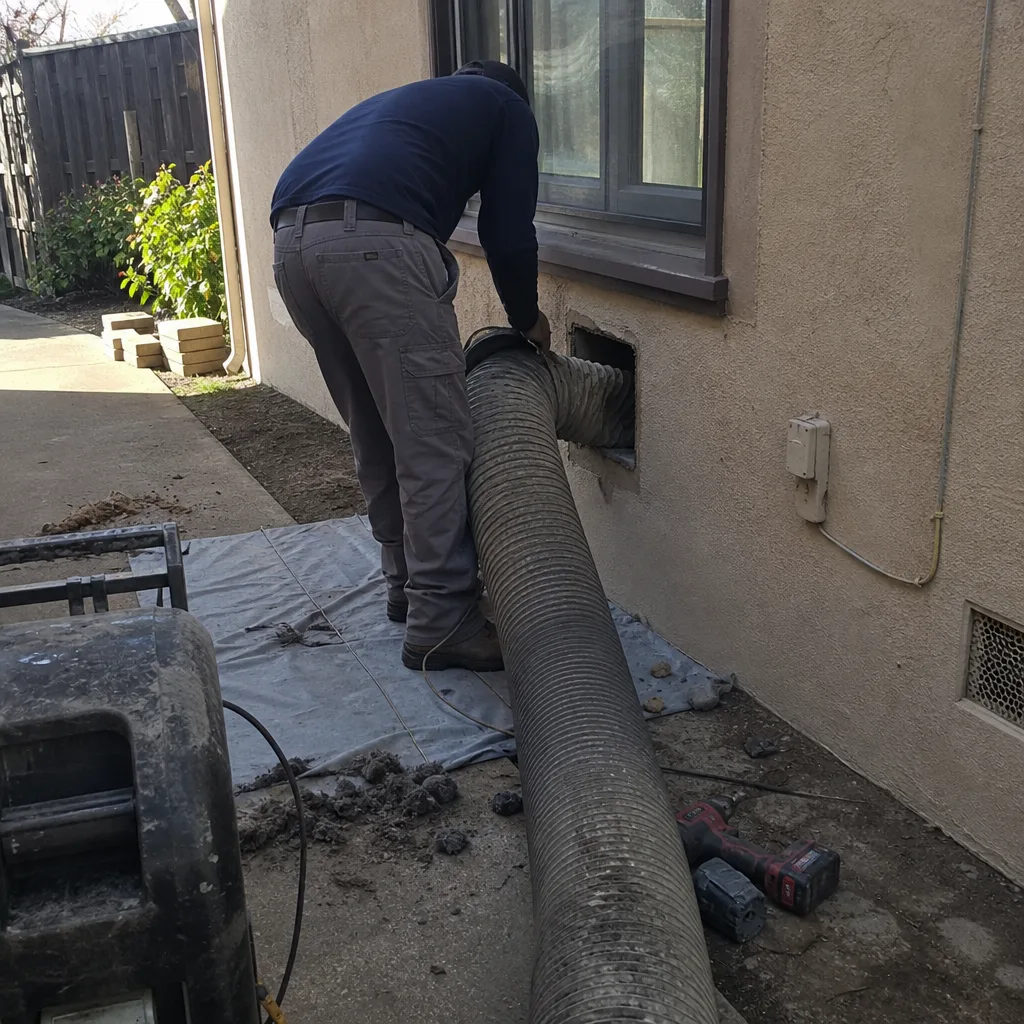 Before
 After
After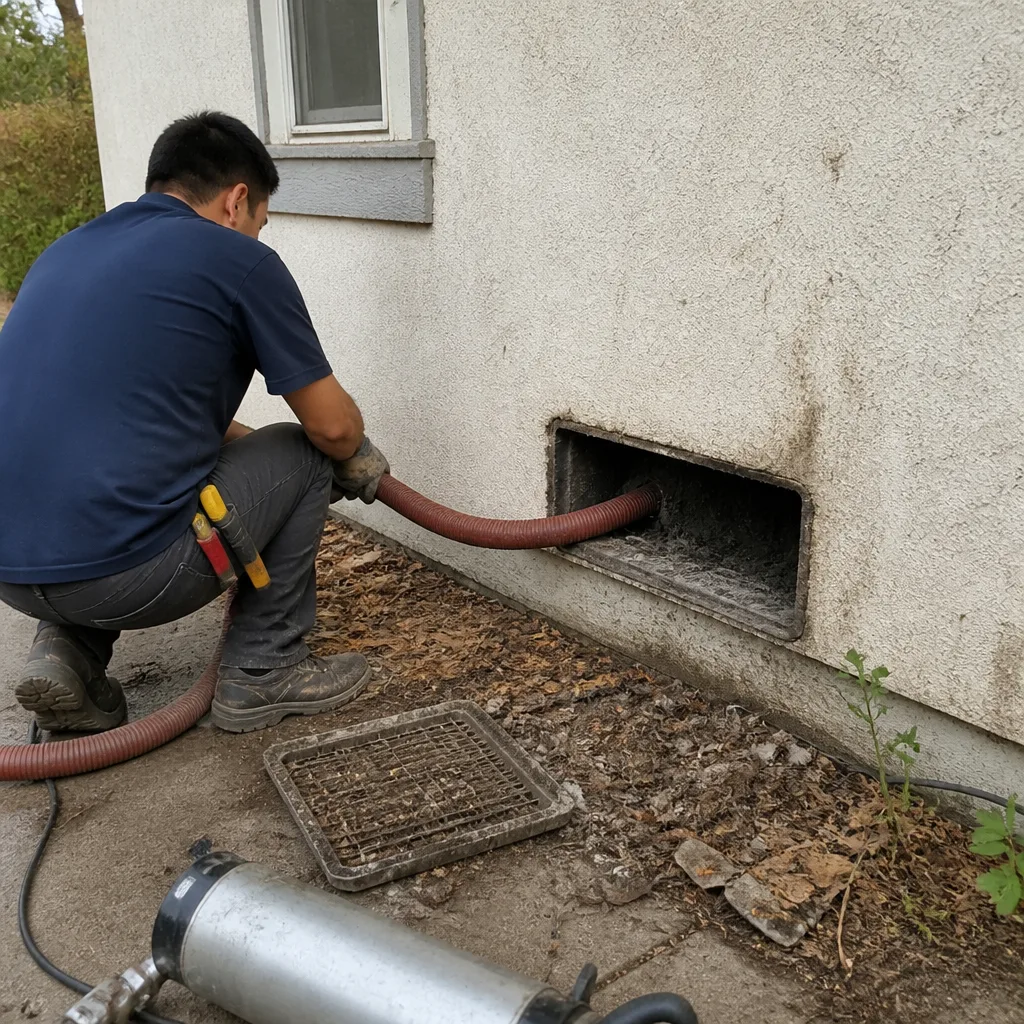 Before
 After
After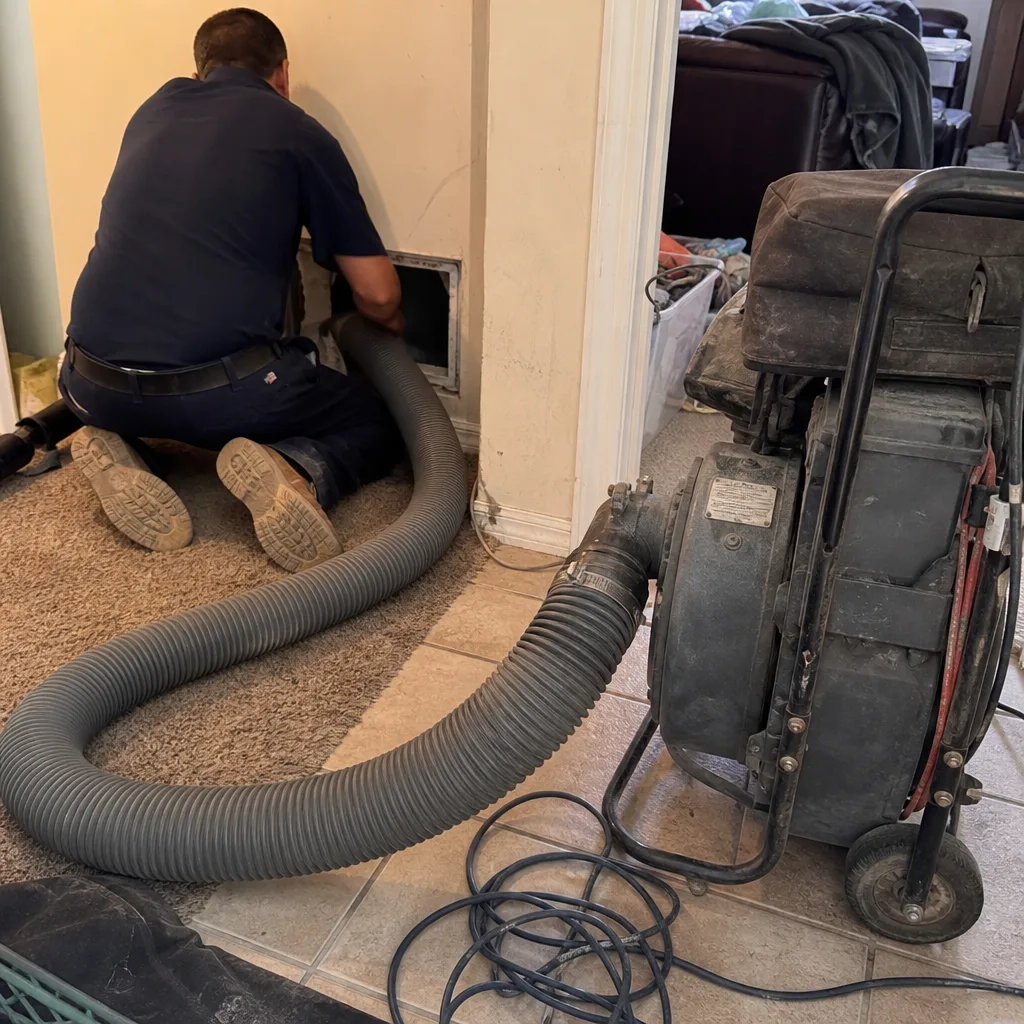 Before
 After
After