
Last updated October 15, 2026
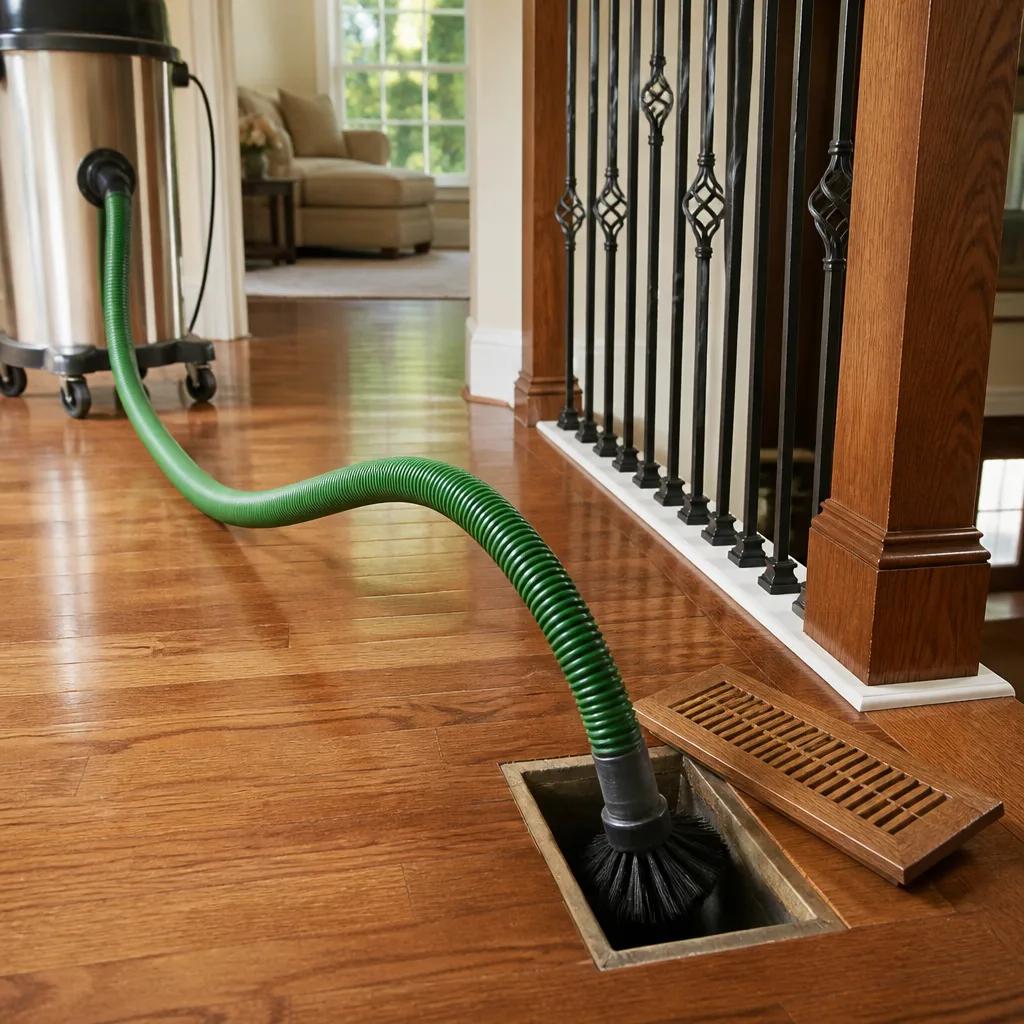 Whole-home duct cleaning
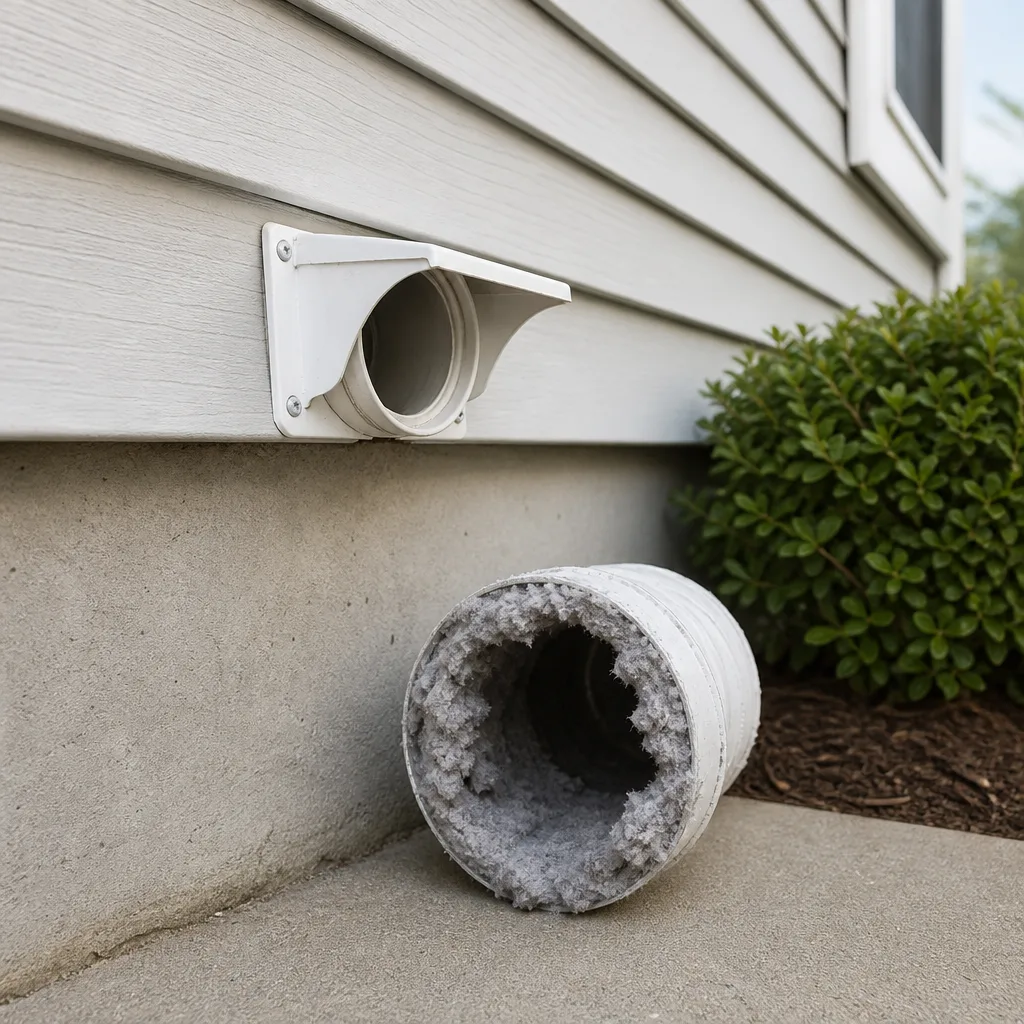 Dryer vent cleaning
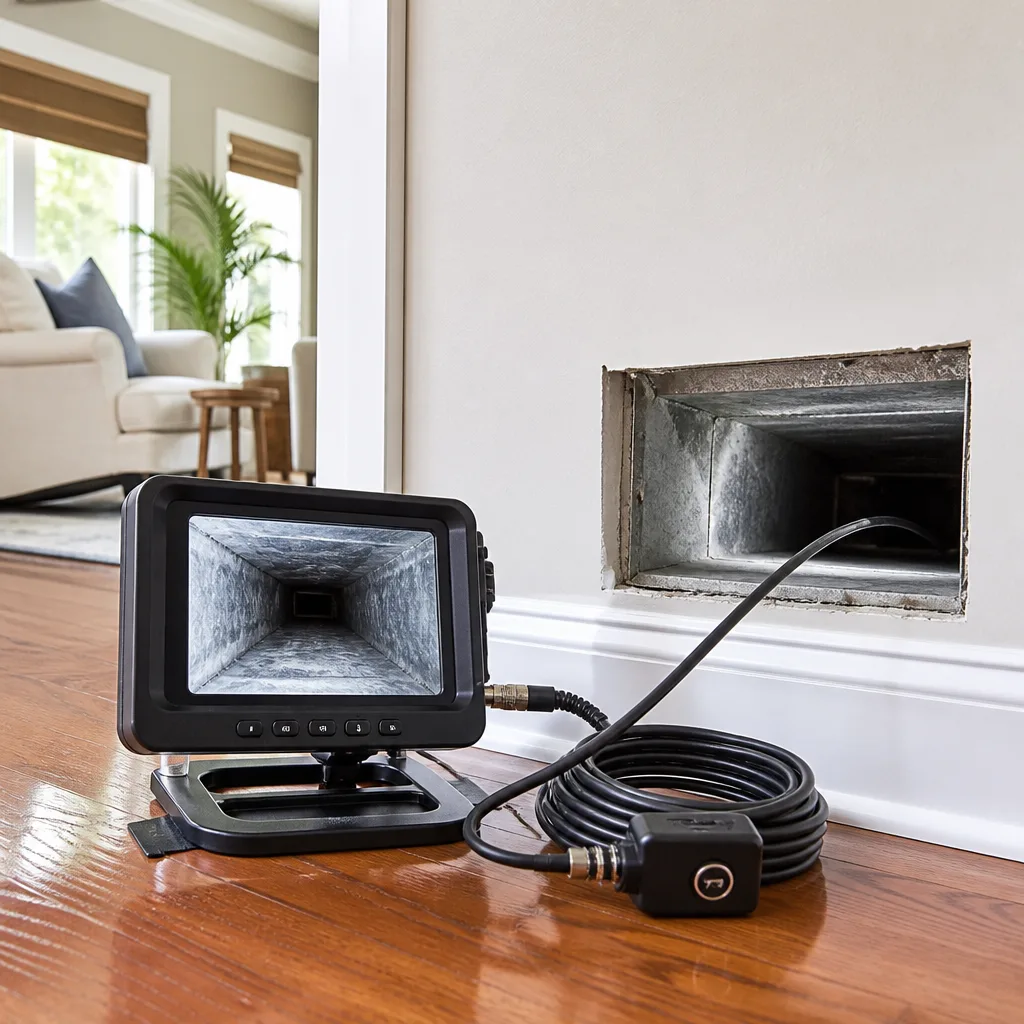 Camera inspection
 Sanitizing & deodorizing
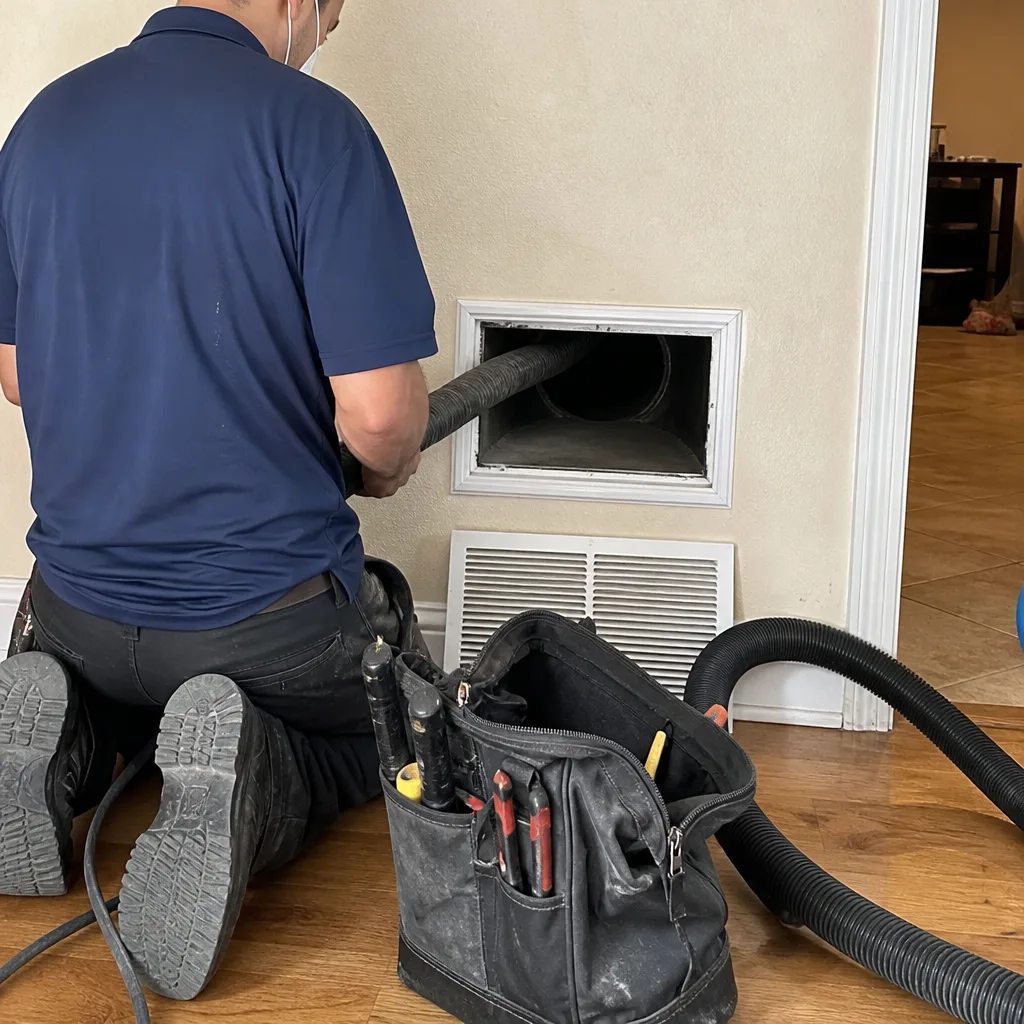
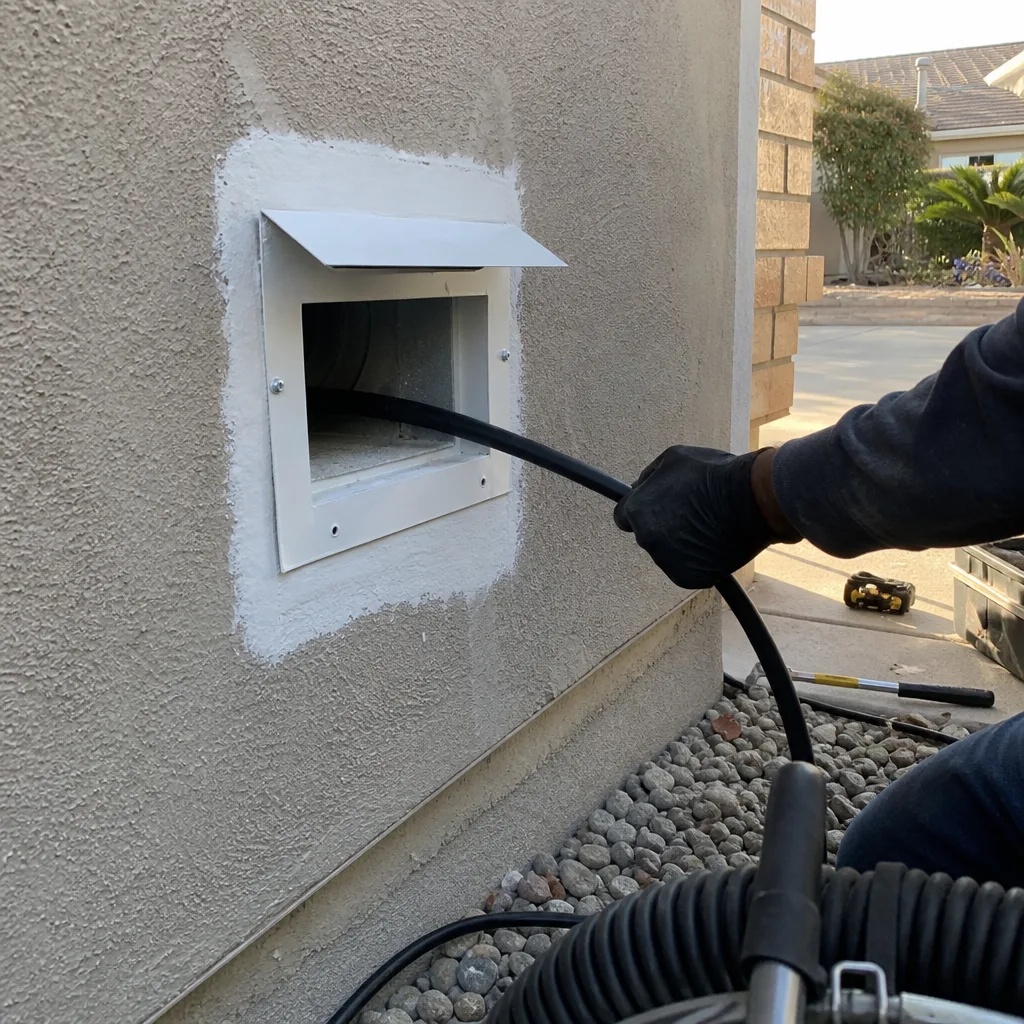
Whole-system duct and dryer vent check with before-and-after photos - you see exactly what came out of your vents
That "$99 whole-house special" is a bait ad - the real number appears once they are in your hallway, or the "clean" is a shop-vac at the register. We photograph the inside of your ducts before and after instead.
Seasonal Air Duct Cleaning Care for Fresno: Year-Round Homeowner’s Guide
Fresno sits in the top five most air-polluted cities in the country most years according to the American Lung Association’s State of the Air report. That single fact changes everything about duct maintenance advice you’ll find online. The standard “clean your ducts every three to five years” rule was written for cities with cleaner outdoor air than what blows through the San Joaquin Valley. This guide is built around what actually happens inside Fresno homes, season by season, and how to plan maintenance so you’re not paying for cleanings you don’t need or skipping the ones you do.
Styles & brands we work with
Quick Answer
The best time for Air Duct Cleaning in Fresno is late spring (April through early June), right before the AC system shifts into continuous operation for four straight months. A Fresno-specific care cycle works best on a two-year rhythm: heavy-visibility inspection every fall before Tule fog season, full negative-pressure cleaning every other spring, and a quick visual check of supply registers every August when duct seals are under maximum heat stress. Homes with pets, recent renovation, or anyone with respiratory conditions should shorten that cycle to annual spring cleanings.
Table of Contents
- Why Fresno’s Air Quality Problem Starts in Your Ductwork
- Spring: Almond Bloom, Cotton Dust, and the Pre-Summer Cleaning Window
- Summer: Triple-Digit Heat and What It Does to Duct Seals
- Fall: Tule Fog, Humidity, and the Mold Risk Window
- Winter: The One Week You Run the Heat Reveals What You’ve Ignored
- Building a Fresno-Specific Two-Year Cleaning and Inspection Cycle
- What Air Duct Cleaning Actually Costs in Fresno
- Common Mistakes to Avoid
- When to Call a Professional
- Frequently Asked Questions
- The Bottom Line
Why Fresno’s Air Quality Problem Starts in Your Ductwork
The San Joaquin Valley has a geography problem that no other major California metro faces the same way. The Valley is a bowl. Mountains on three sides trap whatever enters the air, and Fresno sits in the middle of it. Agricultural dust from the west, wildfire smoke from the Sierra foothills to the east, and vehicle emissions from Highway 99 and the 41 all settle into the same air mass. When your HVAC system pulls that outdoor air in, it also pulls in particulate matter that gradually builds up inside your supply and return ducts.
Here’s what we see in Fresno homes that you won’t find in a national guide. The dust that accumulates in ducts here is heavier and finer than what collects in coastal cities. It contains fine agricultural soil particles, pollen from the Valley’s dense tree canopy, and in summer and fall, smoke particulates from wildfire season. This material doesn’t just sit there. Every time your blower cycles on, a fraction of it re-enters your living space. For a homeowner in the Tower District or Woodward Park, that means the indoor air you’re breathing is partially recirculated outdoor air from weeks or months ago.
What makes Fresno different from, say, San Francisco or San Diego, is the concentration. A home in a coastal city might accumulate a visible dust layer in ducts over five years. A home in Fresno can reach that same level in two to three years, sometimes less in neighborhoods near agricultural operations west of the 99 like Kerman or Firebaugh. That’s why the national “every three to five years” advice simply doesn’t translate to the Valley.
The Threshold Standard: What We Look For
At Linden Air Duct Fresno, every inspection follows what we call the Threshold Standard: a systematic check of supply registers, return grilles, blower compartment, and accessible duct runs. Our technicians are background-checked, identity-verified, and photo-badged before they ever step onto your property. You’ll receive the tech’s name and photo before the visit, and they’ll show a photo ID badge at the door. No surprise visitors. No unmarked vans. Just a clear, documented walkthrough of what’s actually inside your ductwork.
Spring: Almond Bloom, Cotton Dust, and the Pre-Summer Cleaning Window
Spring in Fresno means almond bloom in February and March. It’s beautiful to look at from the Blossom Trail, but for your ducts it’s the start of the year’s heaviest particulate season. Almond orchards surround Fresno on nearly every side, especially to the east toward Clovis and Sanger, and when bloom hits, pollen enters homes through open windows, on shoes, and through the HVAC system’s fresh air intake.
Then comes cotton season. Late April and May bring cottonwood and cotton plant debris into the air, especially in the western and southwestern parts of Fresno County. Cotton dust is fibrous and sticky compared to regular household dust. It clings to duct surfaces instead of settling loosely, which means it’s harder to dislodge later and acts like a net that catches other particulates passing through.
Here’s the specific problem: homeowners who open windows during Fresno’s few moderate weeks in April and May are deliberately ventilating their homes. That’s good practice for temperature, but it loads your duct system with the exact material that will bake inside those dark, warm spaces all summer long. By June, when the AC starts running continuously, everything that entered during spring gets baked, re-circulated, and ground into finer particles by constant airflow.
When to Schedule Your Pre-Summer Cleaning
The practical window for a full air duct cleaning in Fresno is April through early June. Here’s why that timing matters:
- Cotton season has largely passed. By mid-May, the heaviest cottonwood debris is done falling. Cleaning after that means you’re not paying to clean a system that will immediately re-fill.
- You beat the summer demand curve. Every HVAC and duct company in Fresno gets slammed in June and July when AC units fail. Booking in April or May means shorter wait times and more scheduling flexibility.
- You start summer with clean coils and clean ducts. Your AC system has to work harder in Fresno than almost anywhere else in the country. A clean system runs more efficiently, which matters when you’re looking at 100-degree days from June through September.
We recommend booking your spring cleaning at least two to three weeks in advance. Fresno’s duct cleaning calendar fills up predictably every year, and the families who call in March get the April and May slots. The families who call in July wait.
Summer: Triple-Digit Heat and What It Does to Duct Seals
Fresno summers are not just hot. They are relentless. Thirty or more consecutive days above 100 degrees is common, and your attic can reach 140 to 150 degrees during peak afternoon hours. That heat does specific things to your ductwork that a national guide will never mention because most of the country doesn’t live with those temperatures.
The issue is your duct seals. Most Fresno homes have flexible ductwork running through unconditioned attic spaces. The seals at joints and connections are typically made of mastic, foil tape, or a combination. Under sustained heat, mastic hardens and can crack. Foil tape adhesive degrades and loses grip. When a seal fails, conditioned air leaks into the attic instead of your living room. You pay to cool air that ends up in the attic, and your AC runs longer to compensate.
Here’s what to check each August when the system is under maximum stress:
- Supply registers in rooms farthest from the air handler. If airflow feels noticeably weaker than rooms closer to the unit, you may have a leak somewhere in the run.
- Attic inspection for visible gaps. If you’re comfortable going into the attic, look for sections of flex duct that appear sagging, disconnected at joints, or showing exposed insulation where the outer jacket has pulled back.
- Increased dust on surfaces. Leaking return ducts can pull attic air, which includes fiberglass insulation particles and decades of accumulated attic dust, directly into your living space. If you notice more dust in summer than winter, your return side may be compromised.
- Higher electric bills with no behavioral change. If it’s not meaningfully hotter outside year over year but your bill is up 15 to 20 percent, duct leakage is one of the first things to investigate.
If you find any of these signs, air duct repair in Fresno addresses the problem directly. Every repair we make comes with a written guarantee and a free second visit if the repair does not hold. That’s the 365-Day Done Right Promise, in writing on every job. No verbal assurances. No “trust us.” Just a documented commitment that the repair holds.
One more summer-specific note: wildfire smoke. August and September are peak fire months for the Sierra Nevada and coastal ranges, and smoke settles into the Valley for days or weeks at a time. During smoke events, run your system fan on “on” rather than “auto” to keep air moving through the filter, and consider upgrading to a MERV 11 or higher filter during smoke season. Products from Honeywell and Aprilaire include options designed for exactly this kind of particulate load. After a smoke event clears, check your filter. If it looks like it belongs in a fireplace, your ducts have been catching the same material on their interior surfaces.
Fall: Tule Fog, Humidity, and the Mold Risk Window
Fresno’s Tule fog is a uniquely Central Valley phenomenon. From roughly November through February, dense ground fog forms in the Valley and lingers, sometimes for days without breaking. Relative humidity inside that fog bank runs 90 to 100 percent. For your ductwork, that humidity is the difference between harmless dust and something more serious.
Here’s the mechanism. Duct interiors are dark. They contain organic material from the year’s accumulated dust, pollen, and skin cells. They are now sitting in an environment that has been humid for weeks. Those are the three conditions mold needs: darkness, food, and moisture. The summertime bake-out of Fresno’s triple-digit heat usually keeps duct interiors too dry for mold growth. But when the heat breaks and Tule fog settles in, conditions change.
Not every home in Fresno has a mold risk in ducts. The homes that do usually share these characteristics:
- Older flex duct with torn or unsealed outer jackets that allow humid attic air into the duct interior.
- Homes with chronic condensation problems on the evaporator coil or supply plenum, often from undersized or overworked AC systems running during shoulder seasons.
- Homes that have had water intrusion from roof leaks, appliance overflow, or flooding, especially in older neighborhoods like the Tower District where housing stock is aging.
- Systems with poor filtration that allow organic material to build up quickly on interior duct surfaces.
Assessing Your Mold Risk Each November
A homeowner can do a basic visual check without any special tools. Here’s the sequence:
- Remove a supply register in a room you use daily. Look inside the duct opening with a flashlight. The duct interior should look dry and show accumulated dust as light gray or tan. If you see dark green, black, or brown discoloration that looks fuzzy or slimy rather than powdery, that warrants a professional look.
- Smell the air coming from your registers when the system first kicks on. A musty, earthy smell that fades after a few minutes of operation usually indicates microbial growth somewhere in the system.
- Check for condensation around register openings. If the metal around the register is sweating during fog events, the interior duct conditions are likely similar.
If your visual check raises concerns, the next step is a professional inspection. Our technicians use professional-grade equipment from Rotobrush and Nikro for inspection and cleaning, and we’ll show you what we’re seeing before any work is proposed. A written price comes before any work begins, always. If we find no mold and your ducts are just dirty, we’ll tell you that. We don’t manufacture problems to create work.
Winter: The One Week You Run the Heat Reveals What You’ve Ignored
Fresno’s heating season is short. Most homeowners run the furnace for a few scattered weeks between December and February, and many run it only for a handful of days total. That short usage pattern creates a specific problem: anything that has accumulated in your ducts during the previous nine months gets one concentrated, high-heat pass through the system.
Here’s what happens. Dust that has been sitting in your ducts since spring and summer now passes over a heat exchanger running at several hundred degrees. Fine particulates literally cook. That produces a distinct smell, often described as a burning or hot-dust odor. It’s not dangerous in most cases, but it is unpleasant, and it’s a clear signal that your ducts are carrying a year’s worth of accumulated material.
Winter is also when indoor air quality complaints peak in Fresno, even though the air outside is often cleaner than summer. The reason is simple: windows stay closed, the furnace cycles on and off, and whatever is in the ducts keeps circulating through the house. If someone in your household has asthma, allergies, or any chronic respiratory condition, the heating season is when they’ll notice symptoms. We hear from families in neighborhoods across Fresno, from Sunnyside to Woodward Park, that winter nights bring stuffy noses, dry coughs, and poor sleep. The common thread is often a duct system that has not been cleaned in years.
The other winter-specific task for Fresno homeowners is a dryer vent check. Your dryer works harder in winter because cold air holds less moisture, which extends drying times. Lint builds up faster. While we’re focused on ducts here, the principle is the same: dryer vent cleaning in Fresno is a low-cost, high-value task that reduces fire risk and improves dryer efficiency. A clogged dryer vent is a genuine fire hazard, and we recommend having yours inspected at least annually, especially before holiday laundry season hits.
If you run your heat during a cold snap and notice a burning smell that persists for more than a few cycles, turn the system off and call a professional. It may just be dust, but it could also indicate a more serious issue with the blower motor or heat exchanger. Either way, don’t ignore it.
Building a Fresno-Specific Two-Year Cleaning and Inspection Cycle
Here’s the honest truth that most duct cleaning companies won’t tell you: annual cleaning is unnecessary for most Fresno homes. For Air Duct Cleaning Maintenance Checklist for Fresno Homeowners, see our detailed guide. A properly maintained system in a home without pets, without smokers, and with average occupant density simply does not accumulate enough material in 12 months to justify a full negative-pressure extraction every year. But the “every three to five years” advice from national sources is too infrequent for Fresno’s particulate load.
The right answer for most Valley homes is a two-year cycle, with specific inspection tasks in the off years. Here’s what that looks like:
Year 1 (Cleaning Year)
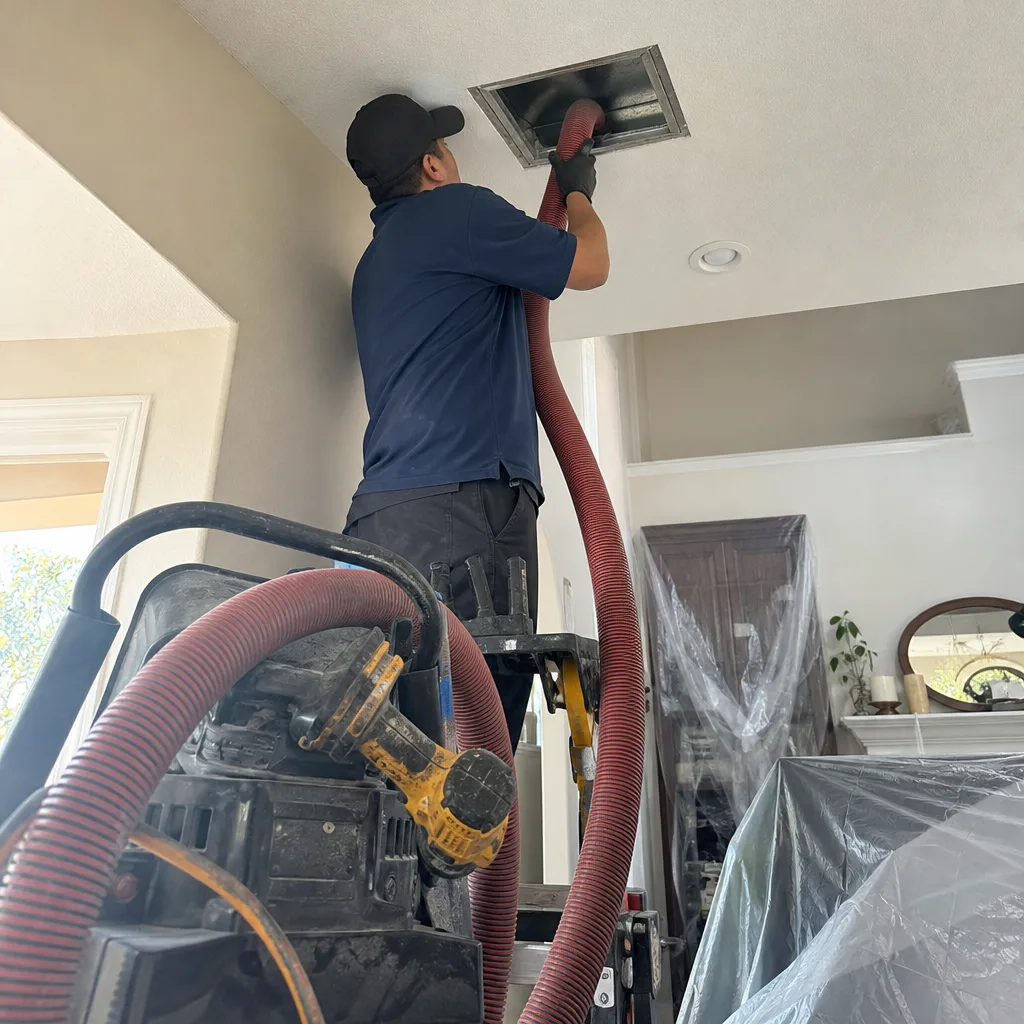
- Spring, April to early June: Full negative-pressure air duct cleaning using professional-grade equipment. This is the heavy lift. All supply and return ducts, main trunk lines, blower compartment, and accessible plenums. In our experience, this takes 3 to 5 hours for a typical 2,000 to 2,500 square foot Fresno home and should include a visual inspection of the coil if accessible.
- Fall, November: Visual mold-risk inspection described in the Tule fog section above. Fifteen minutes with a flashlight. If anything looks questionable, call for a professional assessment.
- Winter, January: Dryer vent cleaning. Annual task, independent of the duct cleaning cycle.
Year 2 (Inspection Year)
- Spring: Change HVAC filter if you haven’t been changing it quarterly. Check supply register airflow in every room. Note any rooms that feel weaker than others.
- August: The heat-stress inspection described in the summer section. Check for sagging flex duct, visible gaps at joints, and increased dust levels. Fresno’s August heat is when seal failures become visible through symptoms.
- November: Tule fog mold-risk check. Same 15-minute visual inspection as Year 1.
- Winter: Dryer vent cleaning, same as always.
This cycle costs roughly half of an annual-cleaning schedule over any ten-year period while catching the specific problems that Fresno’s climate creates. The key is the inspections. A seal crack that you catch in August costs far less to repair than a seal failure that leaks conditioned air into the attic for two more years before you discover it. Our air duct repair service in Fresno includes a written guarantee on every repair, so when problems are caught early, they’re fixed once and fixed right.
When to Shorten the Cycle to Annual
Some households should clean annually. Shorten your cycle if any of these apply:
- Pets that shed heavily. Pet dander is a significant indoor air contaminant and accumulates faster than standard household dust.
- Anyone in the home with asthma, COPD, or significant allergies. The threshold for “clean enough” is lower when lung health is in play.
- Renovation within the last 18 months. Drywall dust and construction debris don’t just sit in ducts; they circulate and can damage blower motors over time.
- Smokers in the household. Tobacco smoke residue builds up on duct surfaces and is extremely difficult to remove once baked in.
- Homes near active agricultural operations. If you’re in west Fresno or out toward Kerman and Mendota, your outdoor air carries more soil particulate than homes near the 168 corridor.
What Air Duct Cleaning Actually Costs in Fresno
You should know the price range before you pick up the phone. Fresno market rates for whole-house air duct cleaning typically fall between $350 and $650 for a standard single-family home with 8 to 14 vents, one return, and accessible ductwork. Larger homes, homes with multiple systems, and homes with unusually long duct runs or accessibility challenges run higher. Homes with existing microbial growth requiring sanitization or treatment also add cost.
Here’s a line-item breakdown of what goes into a typical Fresno quote:
- Visual inspection and system assessment: $0. Should always be free. If a company charges for an estimate before quoting a cleaning, consider it a red flag.
- Negative-pressure extraction (the actual cleaning): $200 to $350 for a standard single-system home. This covers the main trunk lines, supply runs, and return side using professional equipment.
- Supply register counts above 12 to 14: $10 to $20 per additional register. This is where per-vent pricing shows up, and it’s legitimate if the base price structure is transparent.
- Blower compartment and coil cleaning: $75 to $150 if accessible and needed.
- Sanitization or antimicrobial treatment: $100 to $250 if microbial growth is confirmed. This is only recommended when there’s evidence that supports it. We don’t sell sanitization as an upsell on a clean system.
- Air duct repair work identified during cleaning: Quoted separately, in writing, before any repair begins. This ranges widely depending on scope, from simple seal repairs to full duct replacement.
Every quote we write at Linden Air Duct Fresno is a written price before any work begins. No exceptions. You won’t see a final invoice that differs from the quoted price because that’s not how we operate. The price we put in writing is the price you pay. Period.
The other honest answer about cost: some companies will quote far less than these ranges. You’ll see $99 whole-house deals and similar offers. Here’s what those actually are. They’re either a teaser price that expands once the technician arrives and “finds” additional work, or they’re a minimalist clean that skips the blower compartment, doesn’t use negative-pressure equipment, and takes 45 minutes instead of 3 to 5 hours. In duct cleaning, as in most trades, the price reflects the work. A $99 duct cleaning in Fresno is not the same service as a $450 duct cleaning, and the difference is visible in before-and-after photos. We encourage every homeowner to ask any company: “Will you show me before-and-after photos of my own ducts?” If the answer is anything but yes, walk away.
Common Mistakes to Avoid
- Waiting until summer to schedule a cleaning. Every Fresno duct company is slammed in June, July, and August. You’ll wait longer and pay the same price. Book in spring and breeze through.
- Assuming Tule fog season only affects visibility. The same humidity that makes Highway 99 dangerous in November and December is entering your attic and ductwork. Do the November visual check every year.
- Ignoring a burning smell the first few times the furnace runs. It’s probably just dust, but you should confirm that. A persistent smell beyond a few cycles warrants a professional look.
- Cleaning ducts but never checking for leaks. A clean duct with a leaking seal still costs you money in lost conditioned air. Cleaning and repair go together. Schedule a leak assessment during your cleaning year.
- Trusting a low-price quote without asking what it includes. A $99 whole-house deal is not the same service as a $450 professional cleaning. Ask for a written scope of work before anyone touches your system.
- Forgetting the dryer vent. Dryer vent cleaning is a separate service from air duct cleaning, and it’s the one annual task that every Fresno home should do regardless of the two-year duct cycle. Lint fires are real, and they start in the vent.
- Skipping the pre-summer filter upgrade. During wildfire season, a MERV 11 or higher filter from Honeywell or Aprilaire can make a noticeable difference in indoor air quality. It’s a $20 to $30 annual investment.
When to Call a Professional
Some problems are visible from the living room. If you see dust accumulating on surfaces within days of cleaning, if you smell mustiness that persists, if your rooms heat or cool unevenly despite a well-maintained system, or if your energy bills have climbed sharply without a clear cause, it’s time for a professional inspection. Duct problems rarely fix themselves. They get worse slowly, which is why they’re easy to ignore until the symptoms are impossible to miss. Linden Air Duct Fresno offers free estimates throughout the Fresno area. Call (559) 272-4989 to schedule a visual inspection and get a written price before any work begins.
Frequently Asked Questions
Every two years for most Fresno homes, and annually for homes with pets, smokers, residents with respiratory conditions, or locations near active agricultural operations. Fresno’s air quality problem means particulates accumulate faster here than in most of the country, but a two-year cycle with regular inspections catches real problems before they become expensive ones. Call (559) 272-4989 to discuss your home’s specific situation and get a free estimate.
Late spring, specifically April through early June. Cotton season has passed, the summer demand surge hasn’t started yet, and you enter the peak AC season with a clean system. Scheduling outside this window is still beneficial, but spring is the sweet spot for Fresno’s seasonal pattern.
Low-price quotes in Fresno typically reflect less work: no negative-pressure extraction, no blower compartment cleaning, fewer supply registers opened, and often no before-and-after documentation. Some low quotes are teaser prices that expand once the technician arrives. A legitimate company will put a written scope of work and price in front of you before starting. If the price seems too good to be true for whole-house duct cleaning, it is.
Ask for before-and-after photos of your own ducts before you hire anyone. A professional company using proper negative-pressure equipment will show you the interior of your ducts through access points and document the difference. If a company won’t agree to before-and-after photos, find a company that will. Linden Air Duct Fresno provides this documentation on every job. Call (559) 272-4989 to schedule your free estimate.
Yes. Tule fog creates sustained high humidity inside unconditioned attics, which raises the moisture level inside ductwork. When ducts contain organic material from the year’s accumulated dust and pollen, that combination creates conditions where mold can grow. The November visual inspection described in this guide takes 15 minutes and tells you whether your system is vulnerable. If you see anything concerning, a professional assessment is the next step.
Yes, for two reasons beyond allergy relief. First, clean ducts extend the life of your HVAC system by reducing the particulate load on your blower motor and coil. Second, duct cleaning in Fresno is also an opportunity to identify seal failures and other problems that are costing you money in lost conditioned air. The cleaning itself is valuable, but the inspection that comes with it can be worth more. Call (559) 272-4989 for a free estimate and get a written price before any work starts.
The Bottom Line
Fresno’s air is among the dirtiest in the country, which makes our homes work harder to stay clean than most of the country. The right maintenance answer is not a national one-size-fits-all schedule. It’s a Fresno-specific cycle: full cleaning every two years in late spring, a visual mold-risk check every November before Tule fog settles in, a duct seal assessment every August when heat stress is at peak, and a dryer vent cleaning every single year. That combination catches real problems early, skips unnecessary cleanings, and costs less than blindly following either extreme of the usual advice. For more guides & resources on keeping your home’s air clean, visit our blog. If you’re in the Fresno area and want to know what’s actually inside your ductwork, we’ll show you. Call (559) 272-4989 for a free estimate.
Written by Marcus Veale, Owner at Linden Air Duct Fresno, serving Fresno since 2004.
See the difference
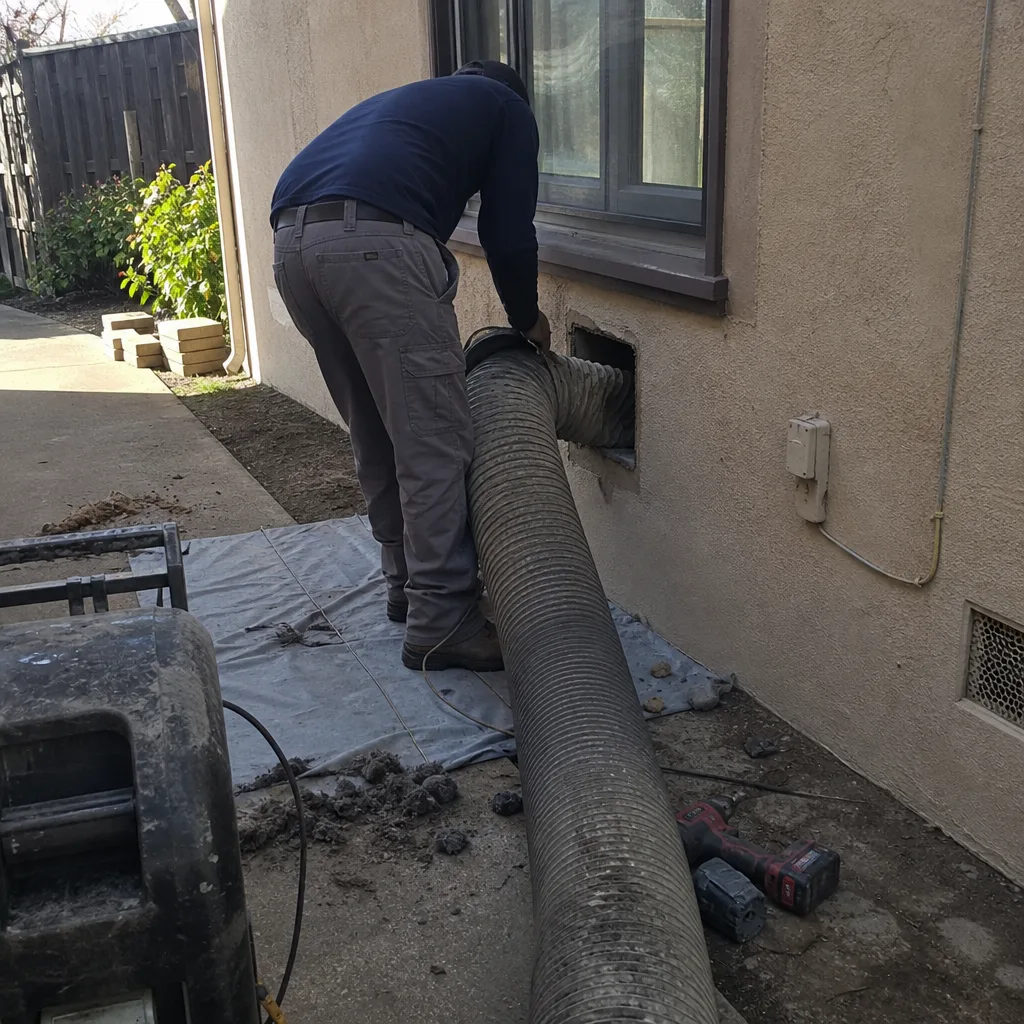 Before
 After
After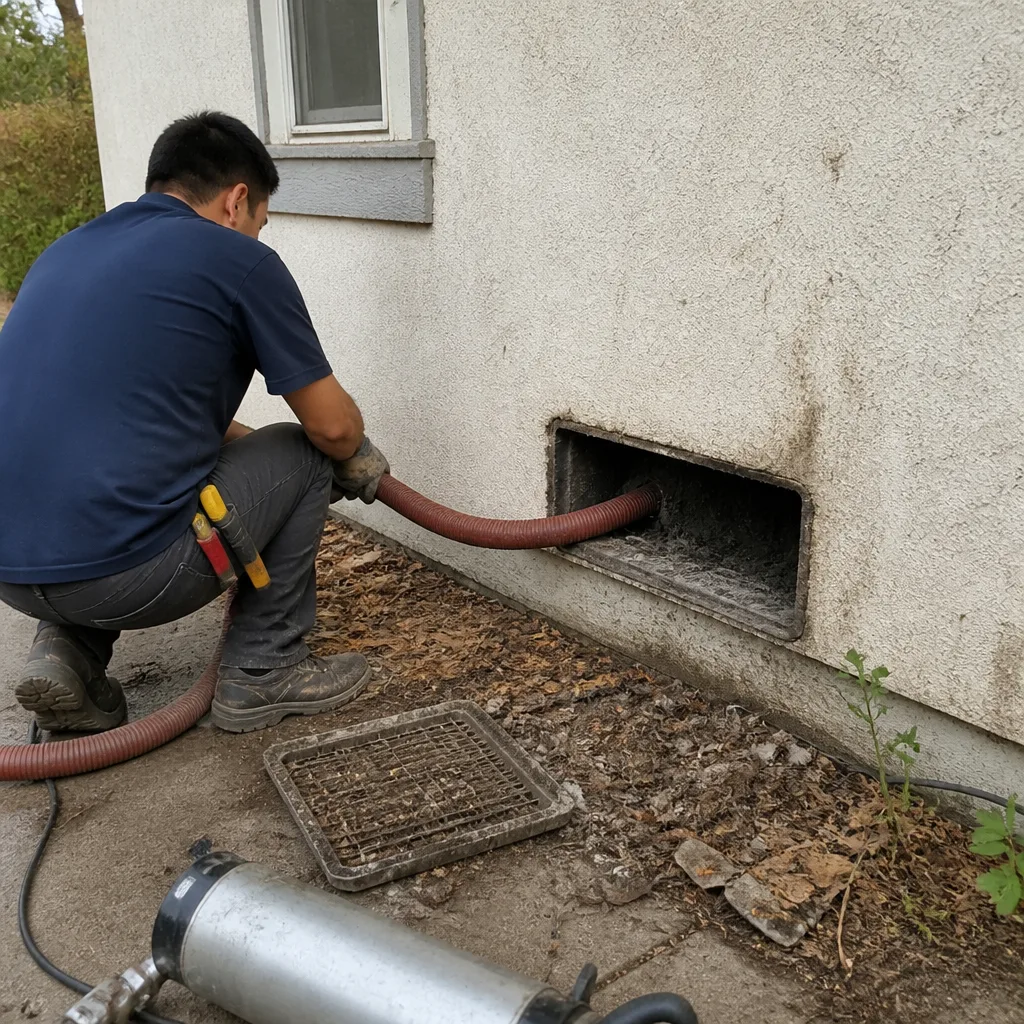 Before
 After
After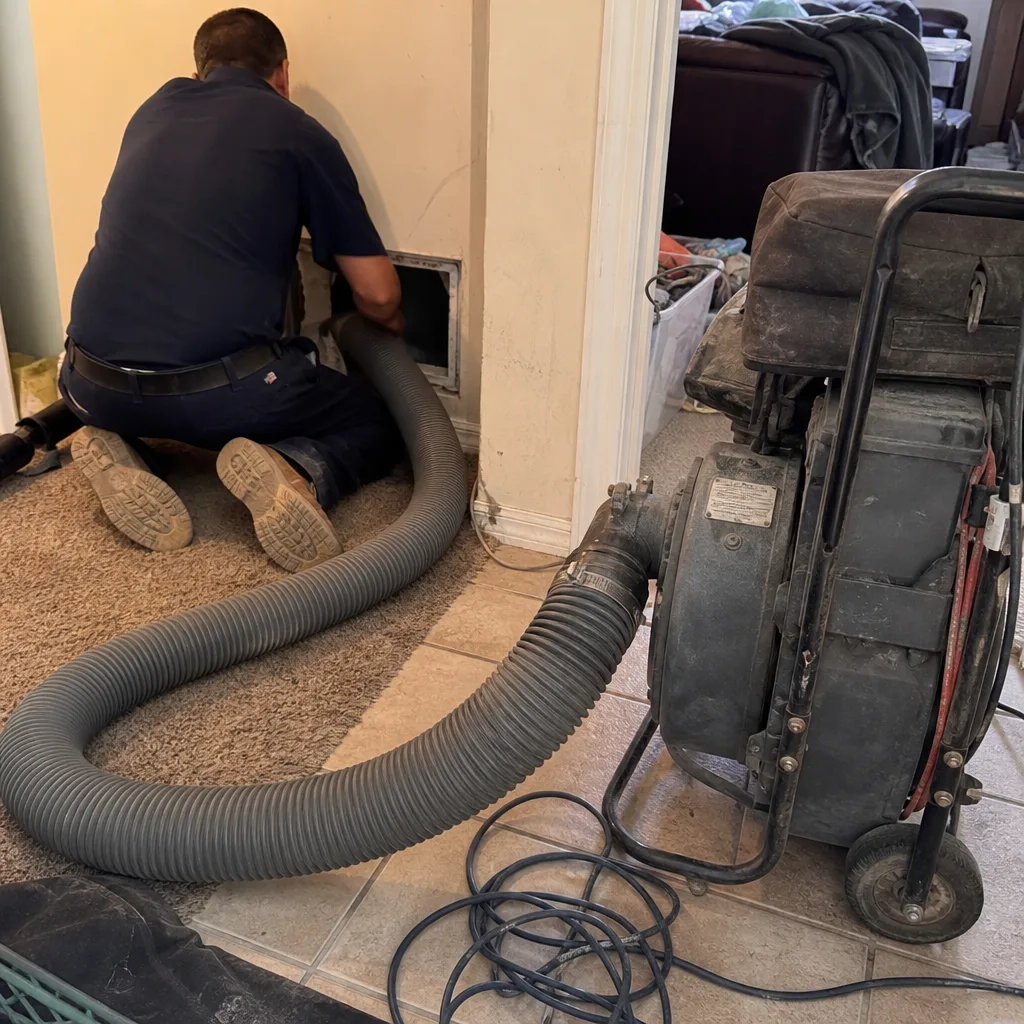 Before
 After
After